What is remote therapeutic monitoring?
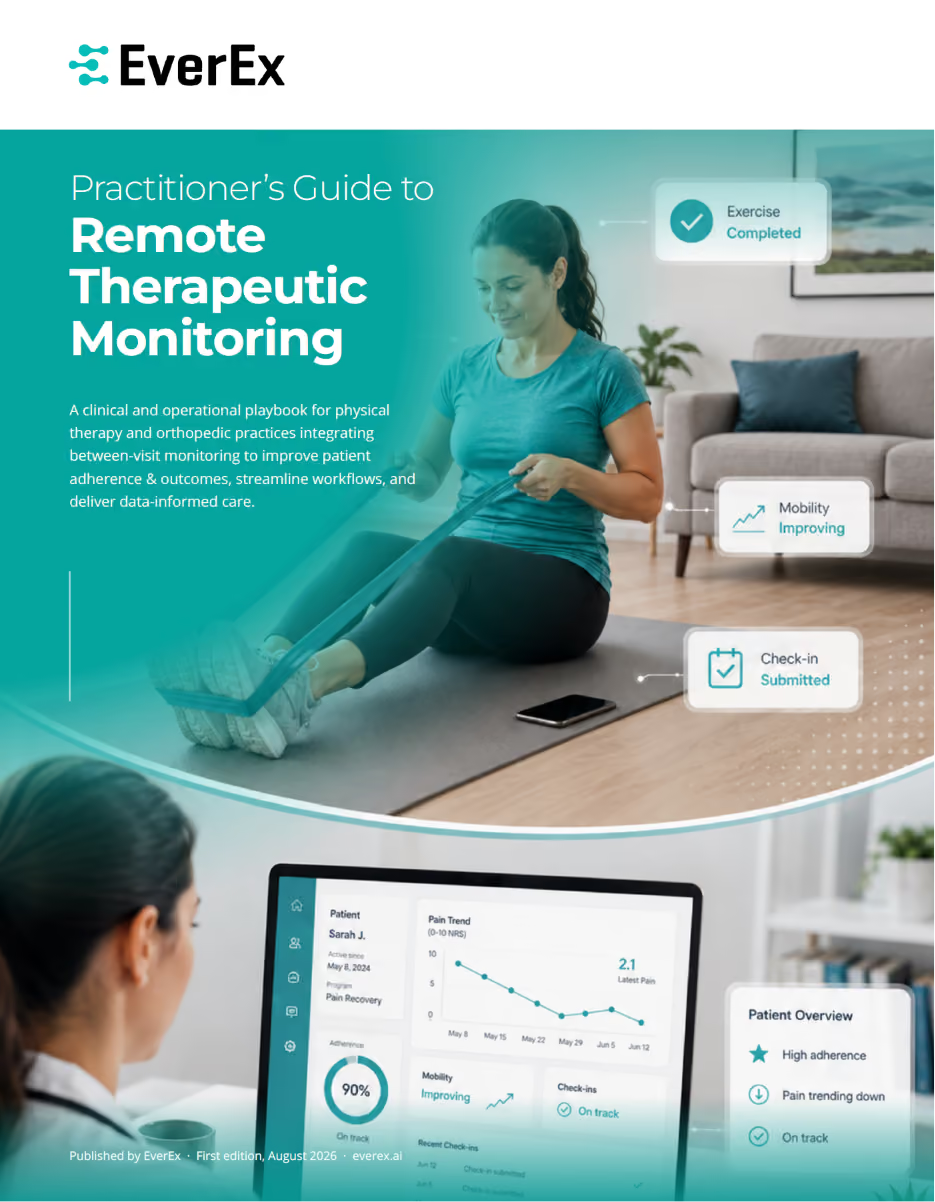
Remote therapeutic monitoring is a care model that lets a practice track a patient's therapy adherence, pain and functional response between visits, then act on what it sees. Data can come from a connected device or an app, and the clinical team reviews it and intervenes when a patient is falling behind their plan of care. Read more about RTM.
How is RTM different from RPM?
RTM monitors non-physiologic data such as exercise adherence, pain levels and response to therapy. RPM monitors physiologic data such as blood pressure, weight or glucose. The distinction matters because it changes which providers can furnish the service and which codes apply. The playbook walks through both in Chapter 1.
Which providers can bill for RTM?
RTM was designed so that qualified healthcare professionals who cannot bill evaluation and management services, including physical and occupational therapists, can furnish and bill it. Physicians, nurse practitioners and physician assistants can also use RTM. Supervision and plan of care requirements differ between therapy and physician settings, and the playbook covers both paths.
What are the RTM CPT codes for 2026?
The RTM code family covers initial setup and patient education, device supply for monitoring, and treatment management time. Chapter 3 details 98975, 98977, 98980 and 98981, along with 98985 and 98979, which are new for CY2026, including the time thresholds and documentation each one requires.
Does Medicare cover remote therapeutic monitoring?
Medicare recognizes RTM codes under the Physician Fee Schedule, and coverage details, payment amounts and requirements are set annually. Commercial and Medicaid coverage varies by payer and state. Verify current policy with your Medicare Administrative Contractor and each payer before you build a program around a specific code.
Do patients need to consent to RTM?
Yes. Patients should be informed about the service, what data is collected, how it will be used and any cost sharing that may apply, and that consent should be documented in the record. Appendix B provides consent language your team can adapt, and Chapter 4 covers where consent fits in the enrollment workflow.
Which patients are appropriate for RTM?
RTM fits patients with a multi-week plan of care whose progress depends on what they do between visits: home exercise programs, post-operative rehabilitation, chronic musculoskeletal conditions and patients at risk of dropping off. Chapter 1 sets out selection criteria and, just as importantly, when RTM is not the right tool.
How much staff time does an RTM program take?
It depends on the delivery model. Some practices fold monitoring into the treating clinician's day, some hire a dedicated coordinator, and some outsource it. Chapter 5 compares the three on clinical quality, staff time, cost and compliance risk so you can size the commitment before you start.
What documentation does an RTM claim require?
In general you need documented medical necessity, patient consent, the device or platform used, the monitoring data reviewed, the time spent on treatment management and the clinical decisions that followed. Chapter 4 includes a compliance self-assessment your team can run against its own records.
How do you choose an RTM vendor?
Evaluate clinical workflow fit, data ownership, documentation and reporting support, integration with your systems, pricing structure and contract terms. Chapter 7 and the vendor scorecard in Appendix C give you the questions and a way to compare answers side by side. See also what to ask before signing an RTM contract.
Coding, coverage and Medicare requirements change annually. Confirm current rules with CMS, your Medicare Administrative Contractor and your payers before making billing decisions. This guide is educational and is not legal, compliance or reimbursement advice.